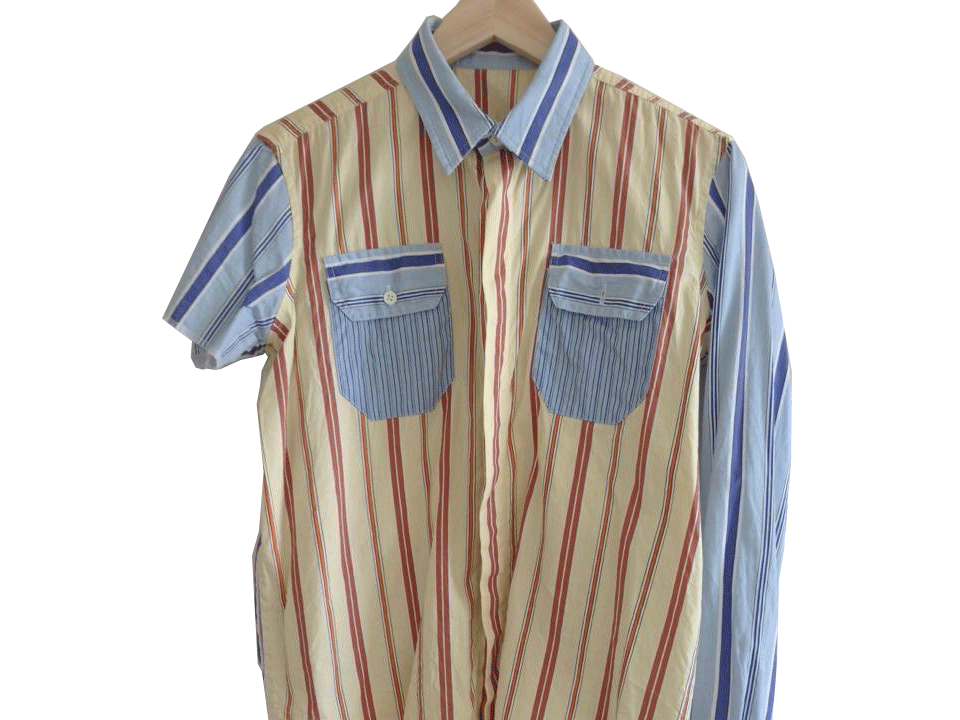
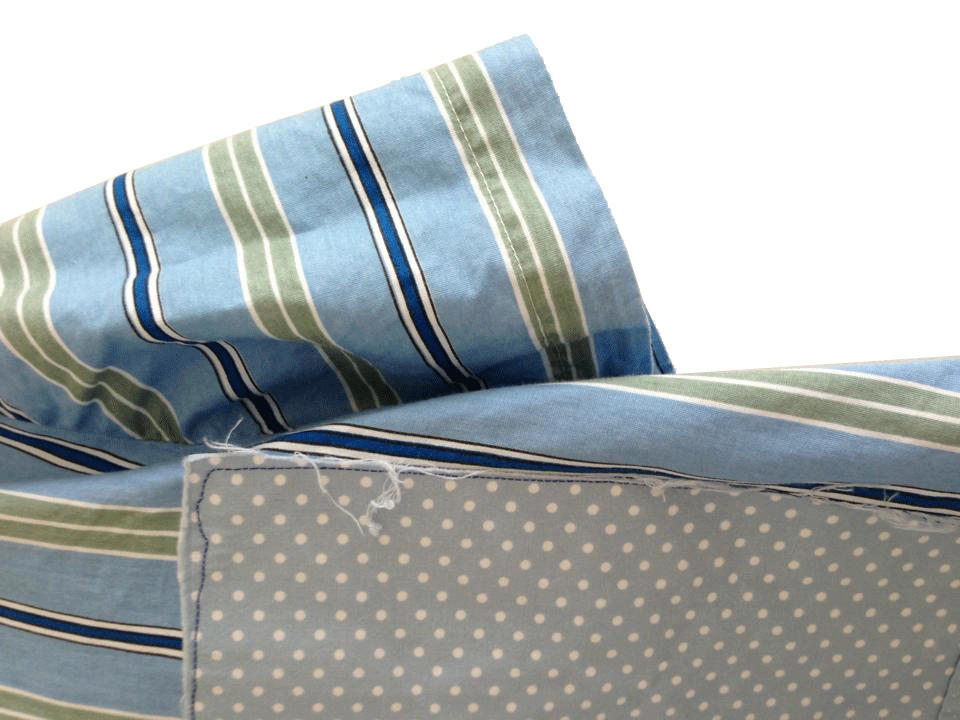
An evolving archive of textile-led works and community initiatives from an earlier chapter of practice, developed through situated engagements with care settings and everyday publics — including Animal Lovers’ League (2012), Assisi Hospice (2013), and senior residents living in Jalan Besar (2015). Textile operates here as a form of correspondence: gestures of making that function as letters across bodies, sites and lived realities, informing ongoing research-through-practice.
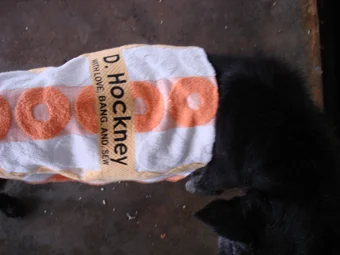
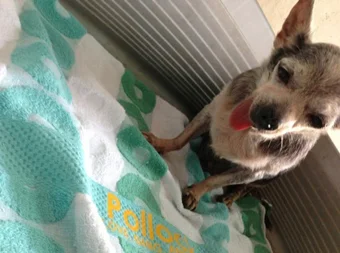
With Love, a textile-led giving project at Animal Lovers League shaped by affection, care, and everyday kinship with animals. The towels pair iconic artists and designers with individual dogs, extending a quiet message of love, understanding, and protection—made tangible through selection, matching, and gifting.
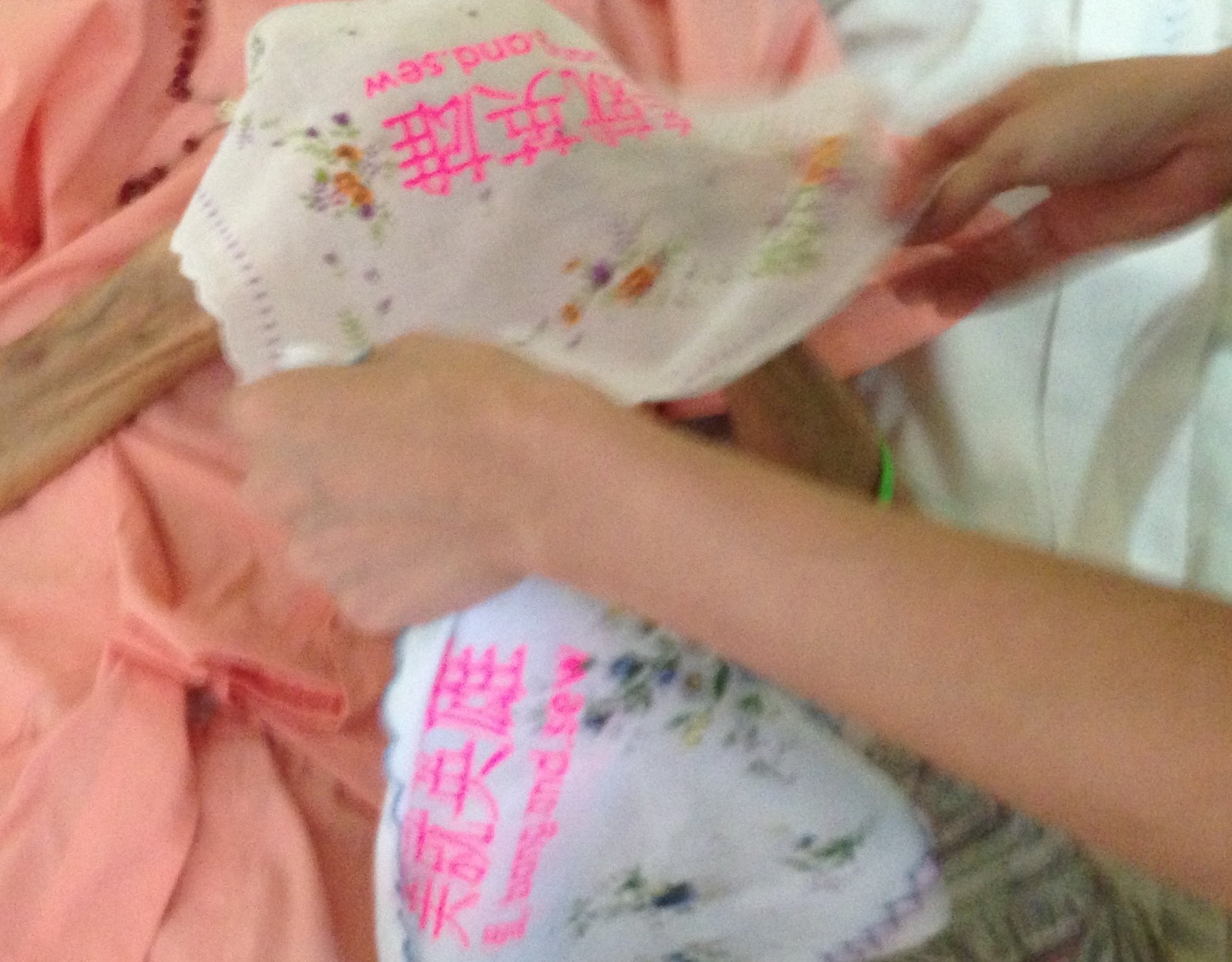
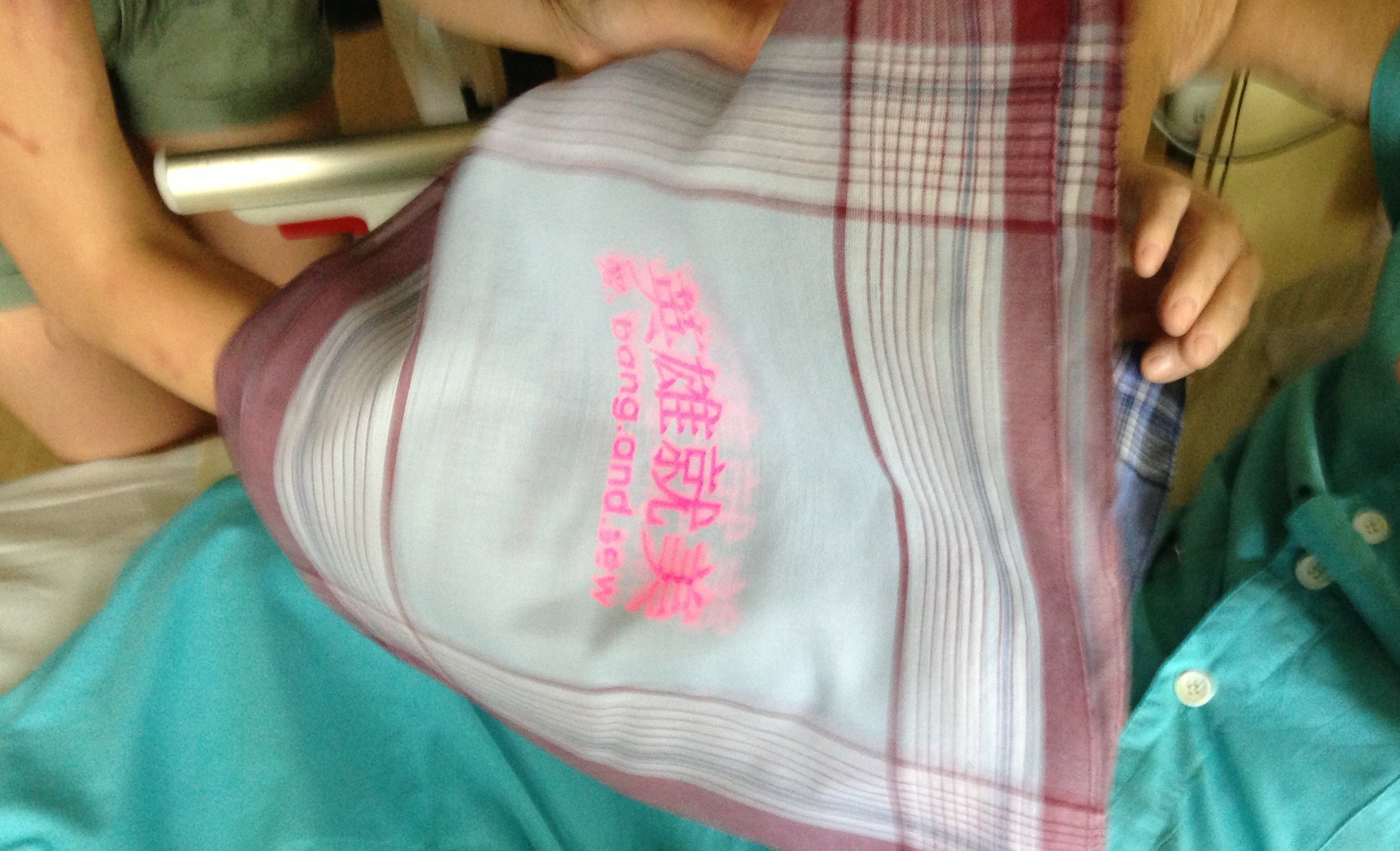
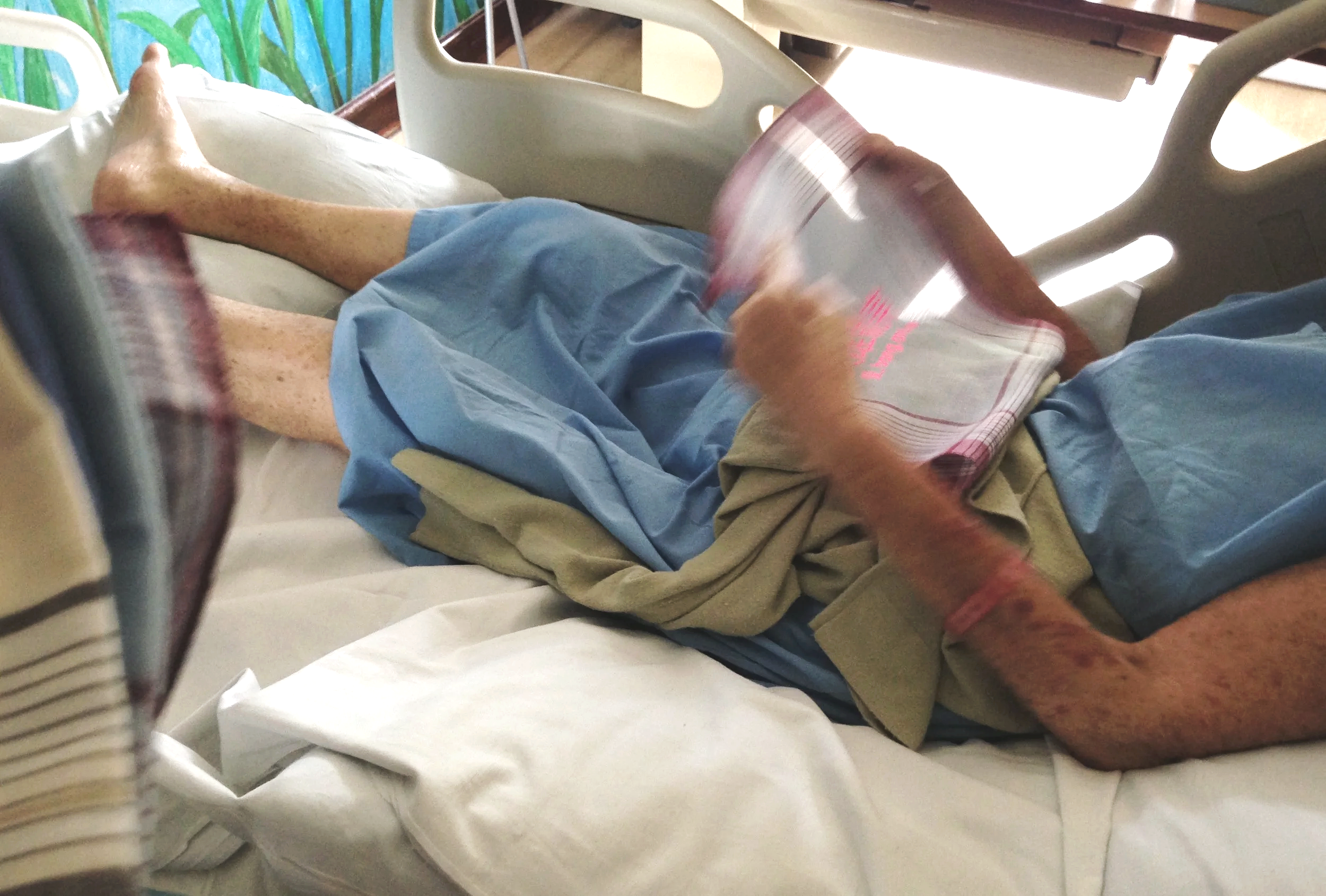
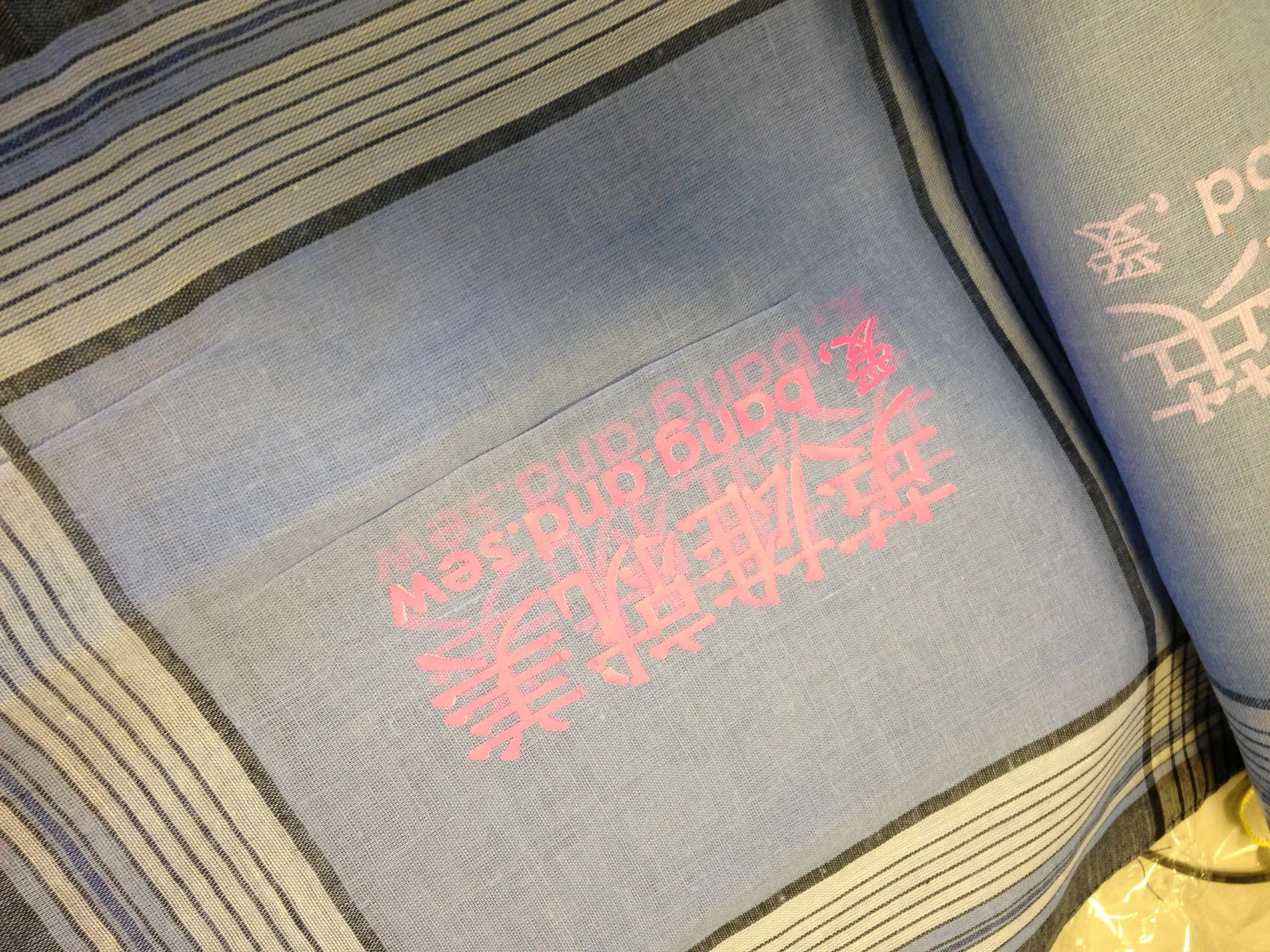
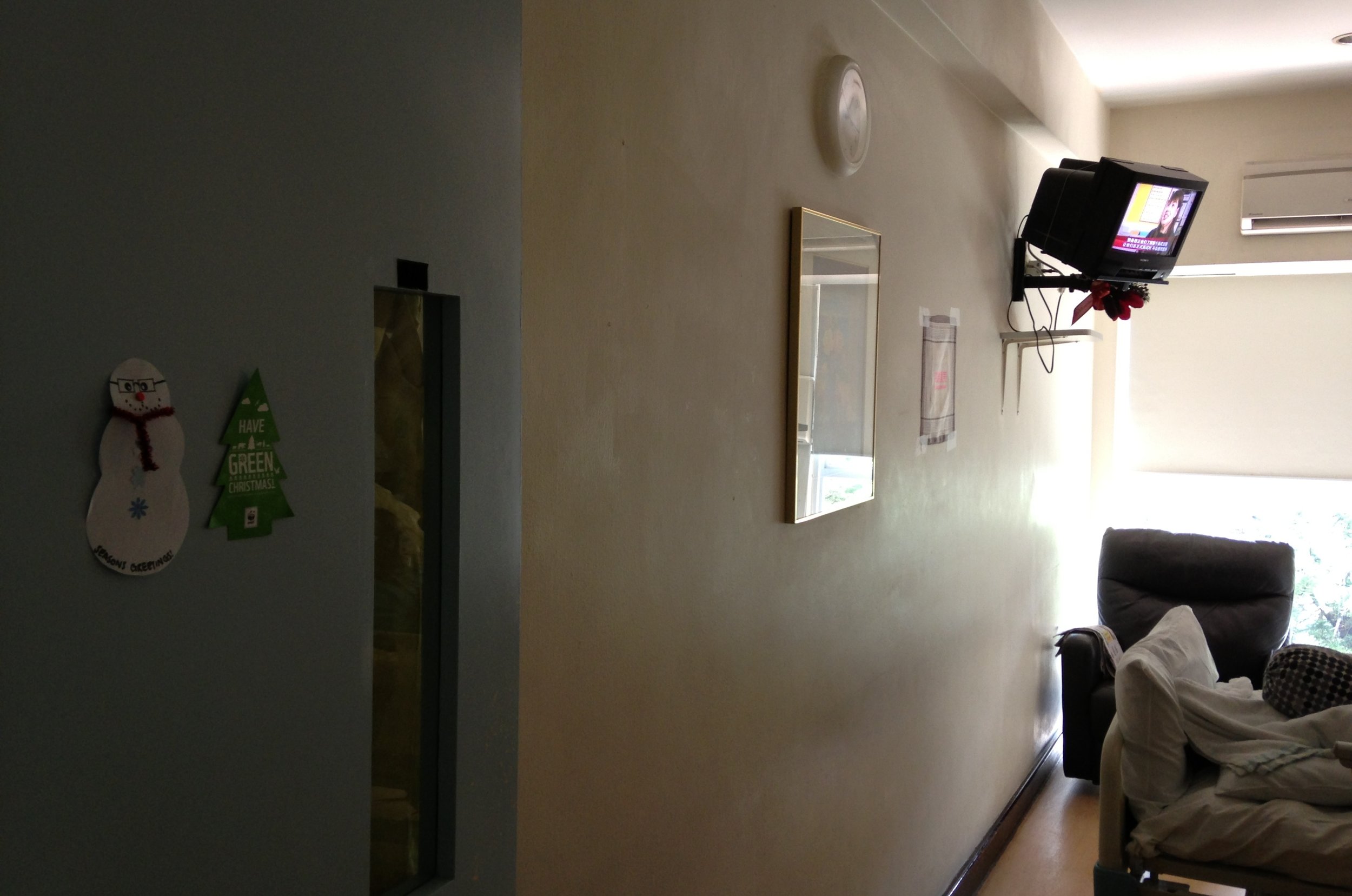
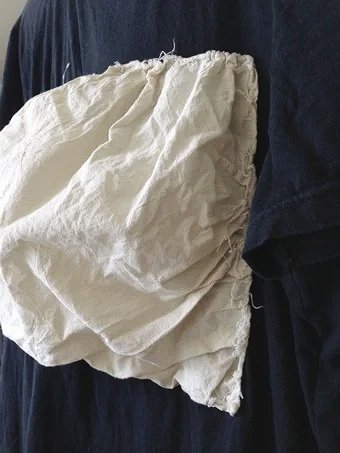
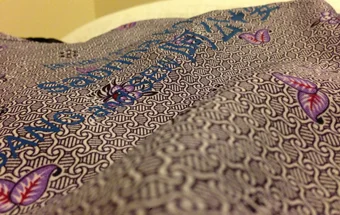
英雄就美 (translates as ‘There is beauty in the quiet hero’), a giving project developed in collaboration with Assisi Hospice, shaped by the ethics of care and the quiet intimacy of cloth held close to the body. Each handkerchief was conceived as a modest offering — a familiar, everyday object re-attuned through gesture and attention. After a full washing and careful pressing, every piece was personally delivered and handed, one-to-one, to its recipient.
The act of presentation was as significant as the object itself: a small ceremony honouring the individual as the beautiful hero of their own life, and the often-unseen hero behind that life’s unfolding. Through this exchange, textile became a carrier of warmth and affirmation — extending a message of love, dignity, and companionship within a space shaped by vulnerability and care.
Co-organised with bigredbutton, this initiative paired 37 arts students with Jalan Besar senior residents in a month-long intergenerational exchange. Through sustained conversation and shared time, each pair developed artworks reflecting the beauty and honour found within these relationships. The project culminated in a public celebration where young and old gathered to share their art creations, with proceeds directed towards building a community kitchen.
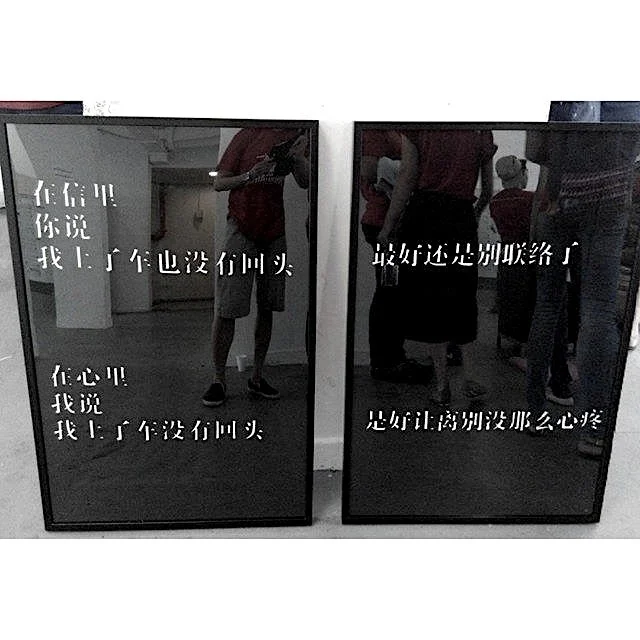
My assigned senior resident recounted a youthful pen-pal love that crossed borders but ended without a final goodbye. My textile response held this quiet regret, positioning Chinese characters between “letter” (信) and “heart” (心) to trace the distance between correspondence and feeling — a meditation on memory, separation, and enduring tenderness.
A series of textile and image-based studies that dwell on repetition, release, and the feeling of loosening a held pattern. The work approaches the body through small marks and accumulations—where “freeing” becomes a quiet, process-led gesture.
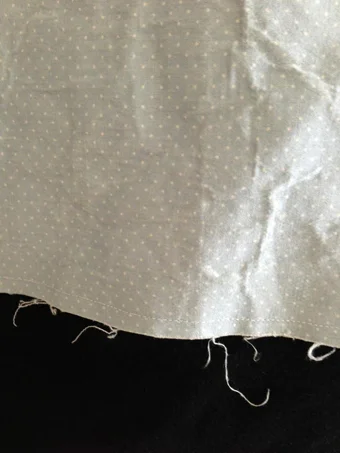
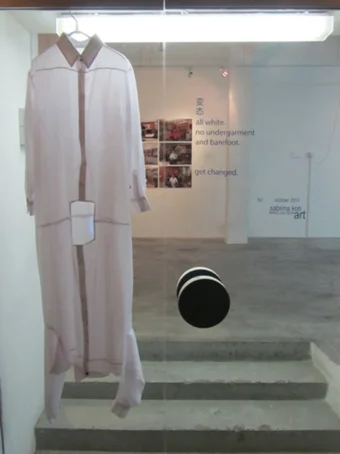
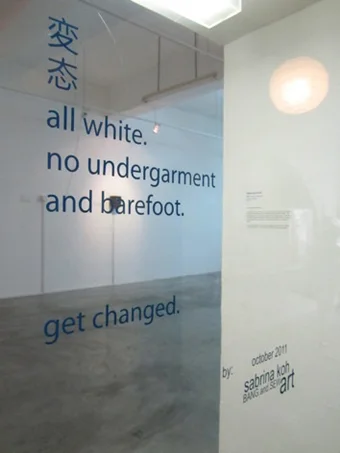
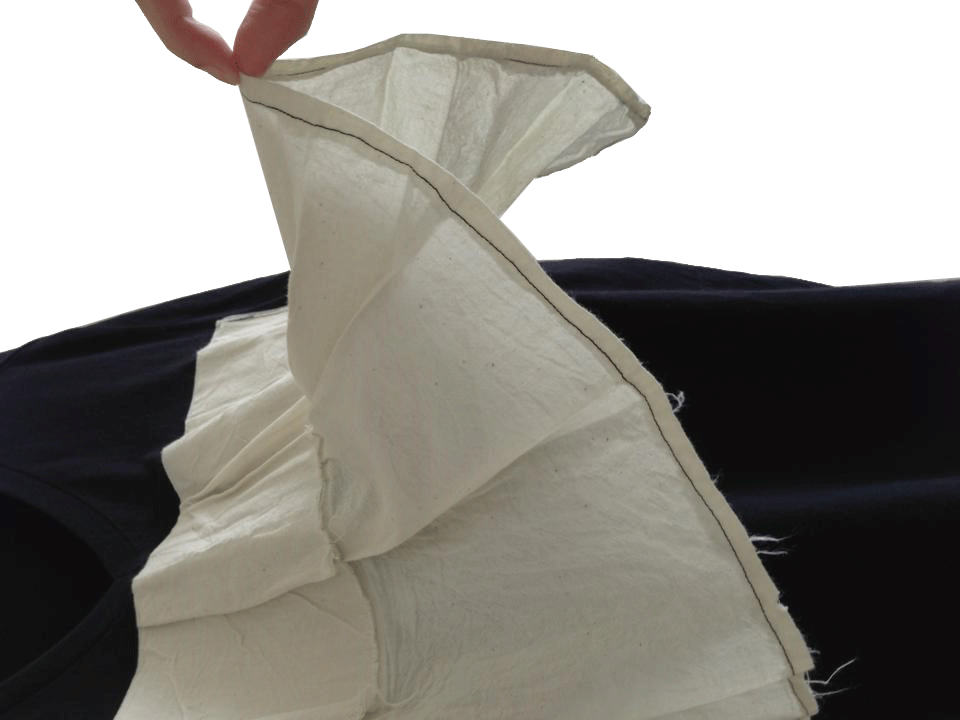
変态 (biàn tài) translates as a “change in attitude.” Beginning with a small gesture—removing a square from a sheer white garment—the work tracks how form, intimacy, and perception shift, and how an object can become charged through context and desire.
A brief encounter becomes a lesson in care, warning, and intimacy. In a Rochor neighbourhood store, a grandmother holds the artist close, questions what she is wearing, and offers an abrupt injunction — an exchange that lingers as embodied memory and relational instruction.
A street-level interaction that turns the everyday into a performative score. With humour and tenderness, the work gathers the phrasing and presence of a stranger—“we really need to use your shoulder” — as a small portrait of proximity and public negotiation.
A work anchored in return and departure — how weather, sound, and sensation can summon a past body-state. “When that wind blows,” memory arrives not as narration but as a physical pull back into the moment of leaving.
Textiles become carriers of domestic history. Curtain, tablecloth, sarong, hammock — objects that accompanied a grandmother’s everyday life and mahjong sessions — are held here as a soft archive of family time, place, and shared rhythms.
A remembered moment from 1992: collapsing at an HDB lift landing, and being held by my grandmother as she cried. This work returns to that sensation — how touch can contain fear, relief, and love — while marking the distance between then and now.
A quiet walk where holding hands feels risky, so the body invents other ways of contact — an arm, a sleeve, a shared silence. The work traces tenderness under constraint, and what remains when closeness must be coded.
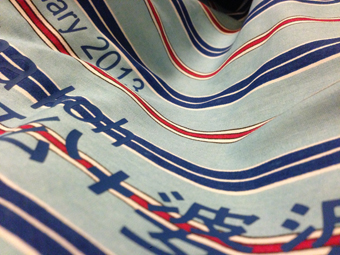
A family chronicle told through departures and small inheritances—money for a doctor, learning to cook together, the first time hands are held and recorded. Moving across decades, the work treats memory as living correspondence: “tomorrow, I write you a letter.”
The work gestures toward lineage, repetition, and what it means to pass on words, practice, and belief — beyond the self, beyond authorship.