Dancing With Their Whispers (2023)
NAFA Studio Theatre, Singapore

Dancing With Their Whispers by Sab Koh
copyright@2023
Developed in collaboration with a street dancer, this site-responsive performance is shaped by the geographical and historical textures of Bencoolen Street. Drawing on the journeys of early inhabitants in Singapore, the work moves through confession and departure, tracing how personal memory and collective histories intersect within everyday movement. Selected audience members are invited to receive letters — textual gestures of longing and farewell that circulate quietly between performer and witness, marking a passing of time and place.
The Travellers in Paradise to Paradise (2019)
ArtBox (Kranji), Singapore
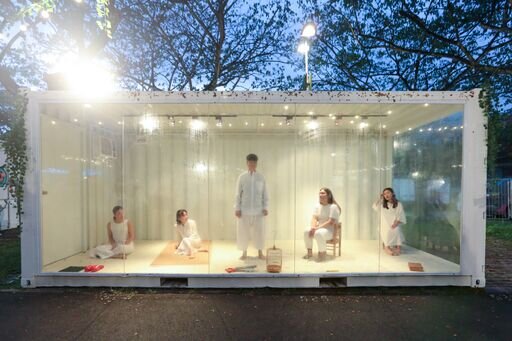
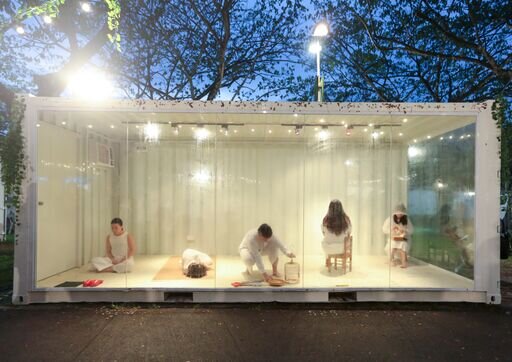
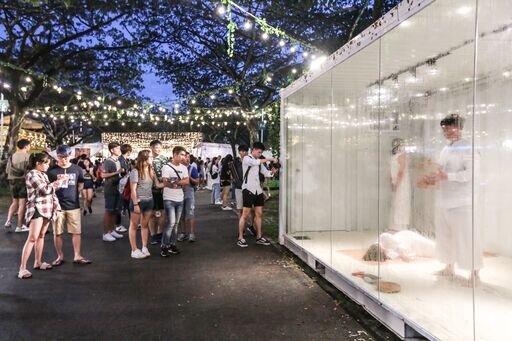
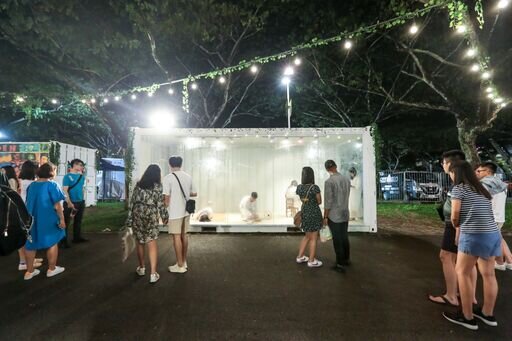
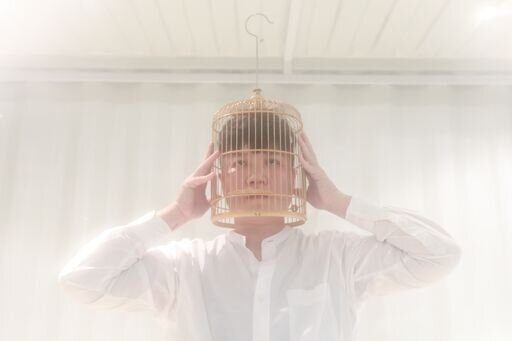
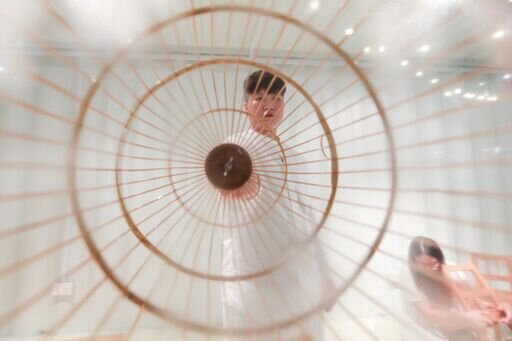
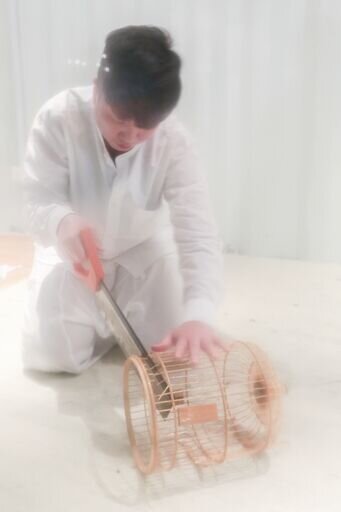
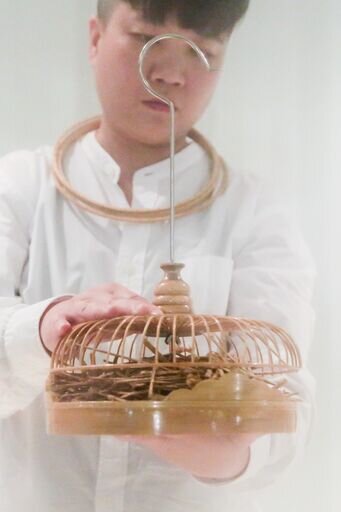
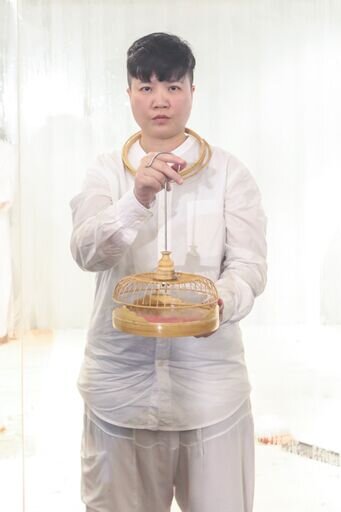
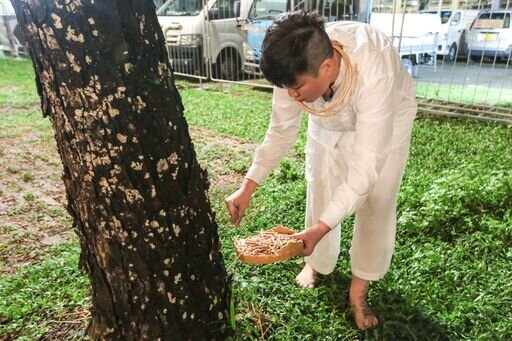
Staged within a glass container, this two-hour collaborative performance by five female artists reflects on ideals of beginning, fantasy, and passage. Each artist brings a domestic object — Chinese clogs, a woven sleeping mat, an oriental birdcage, a chair, an old dictionary — carrying personal histories into a shared enclosure. Through the gradual deconstruction of these objects, the work traces embodied reflections on life, loss, and mortality as lived within collective presence.
Dream Market (2017)
OUTSIDER (Fashion Art Festival), Singapore
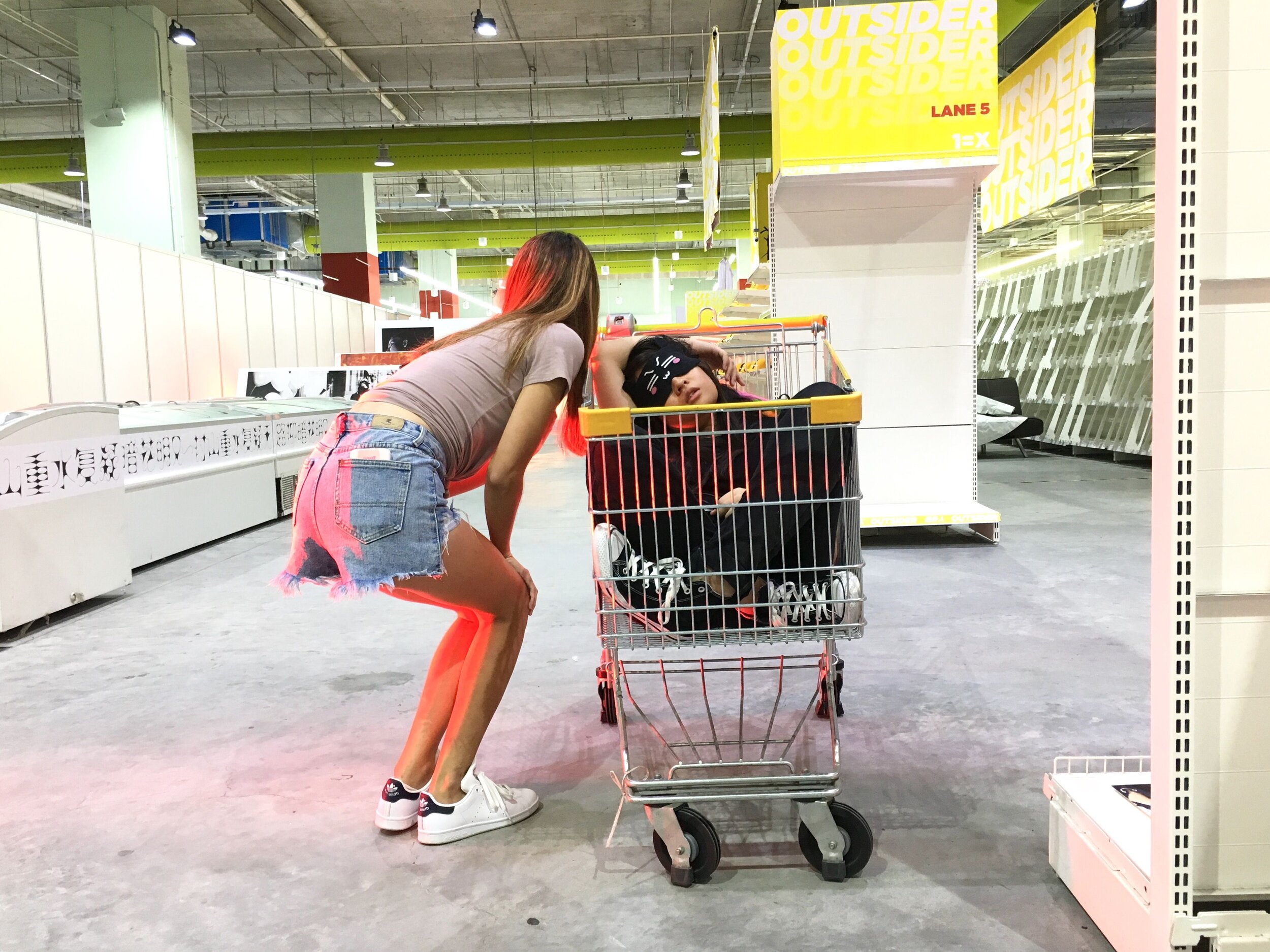
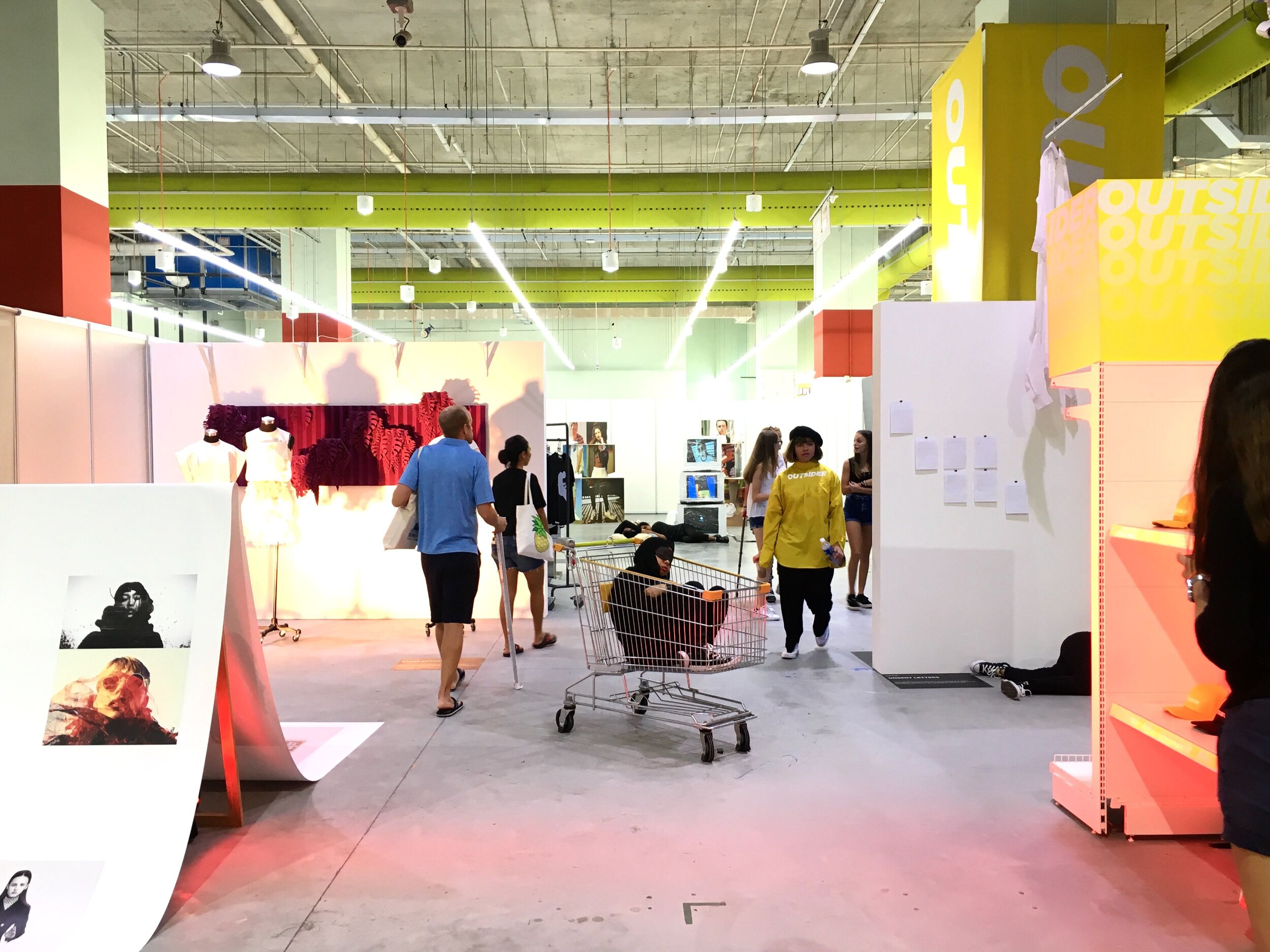
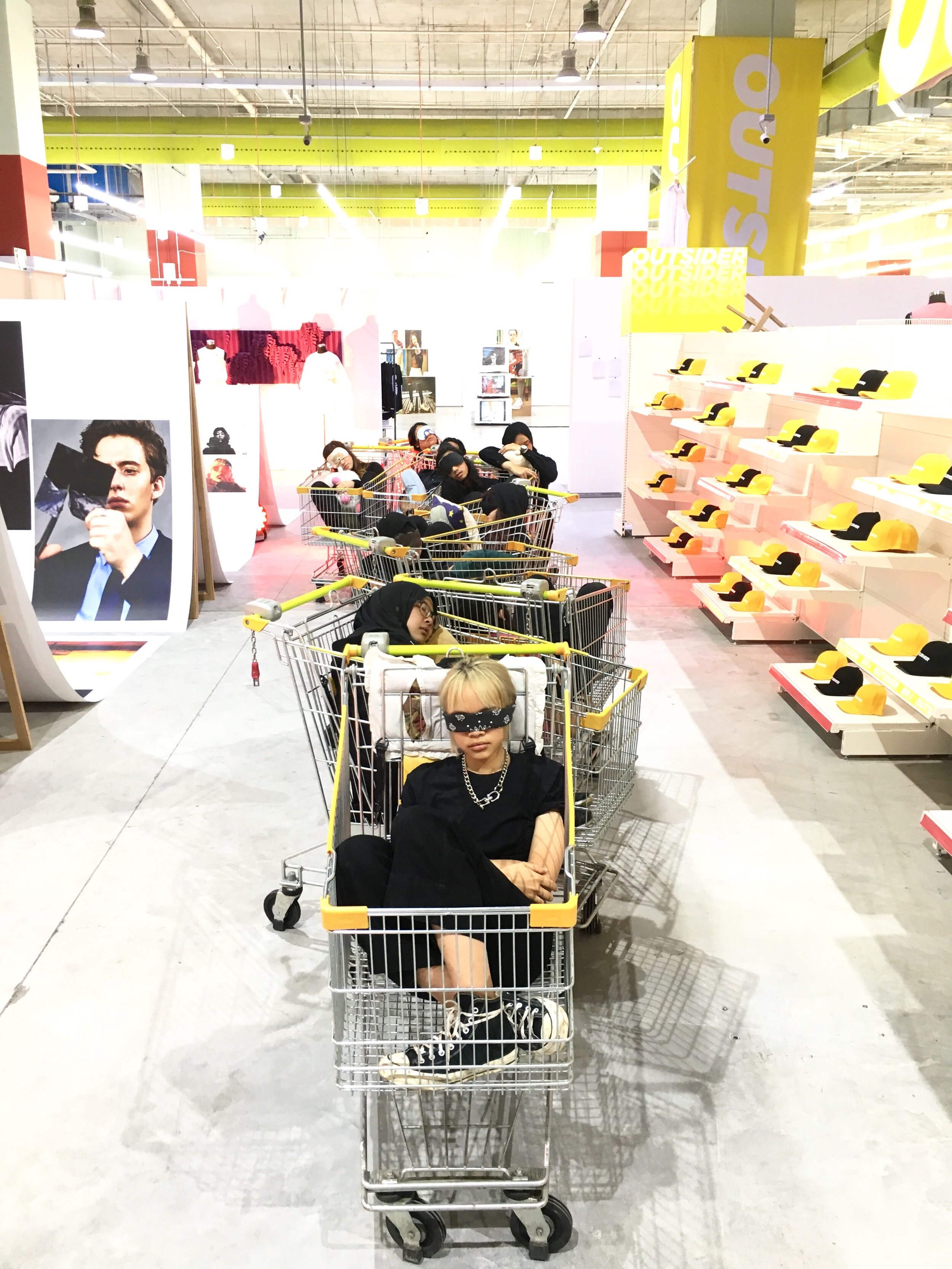
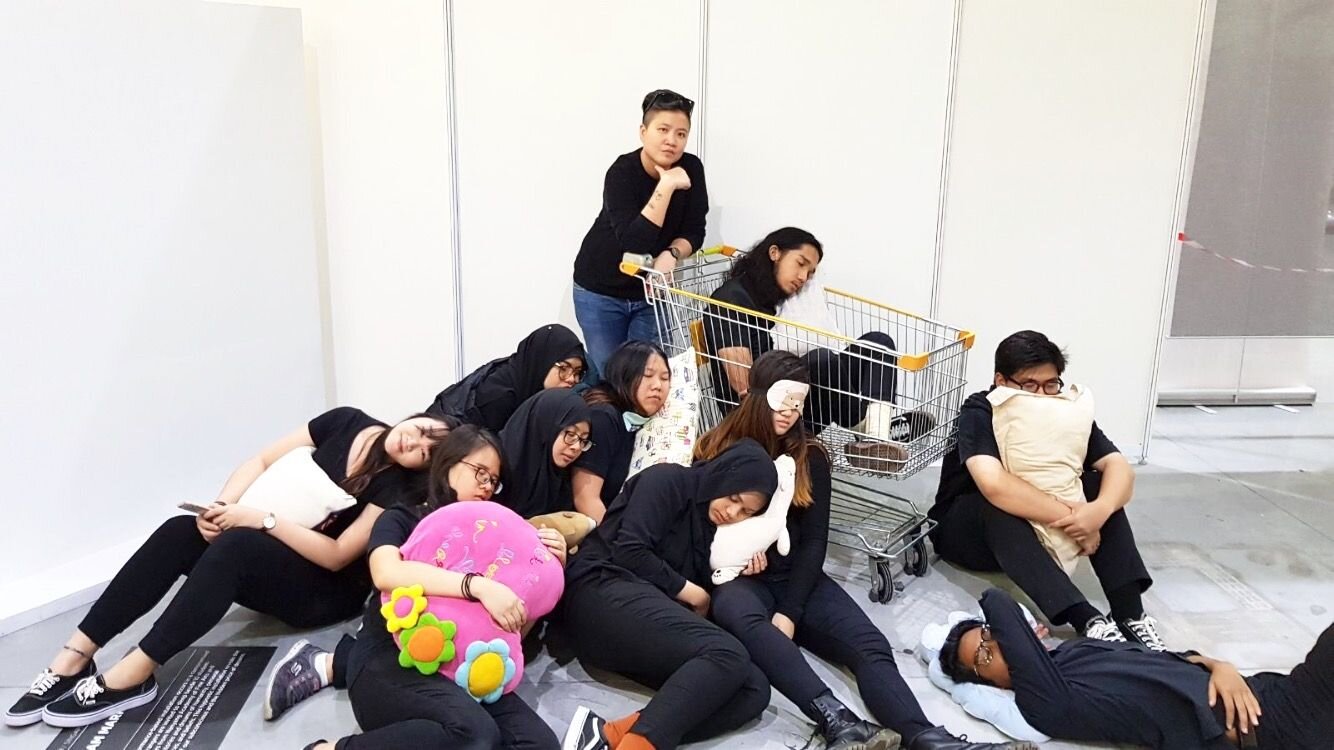
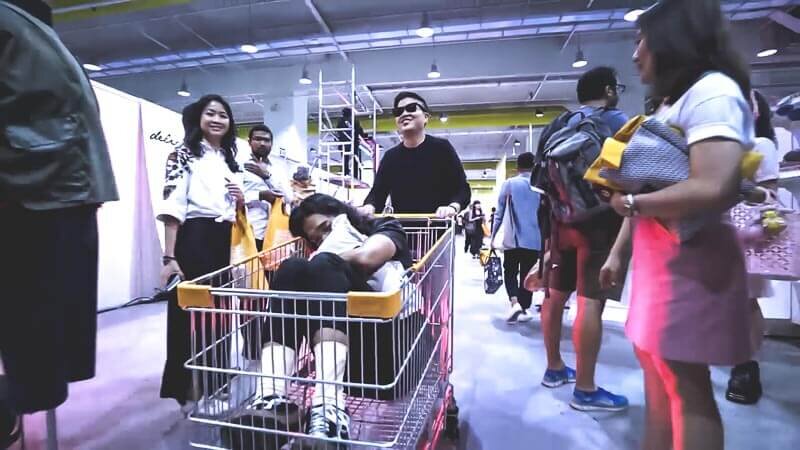
Taking place within an unused supermarket, this durational work invites strangers to remain in close proximity to the performers. Through shared presence, stories and desires surface gradually, unfolding as a slow, hypnotic encounter shaped by personal belief and unspoken longing. The work attends to what is revealed when bodies gather in abandoned spaces of everyday exchange.
混口饭 (2014)
Eminent Plaza, Singapore
混口饭 (roughly translating to “to earn a living”) attends to the livelihoods of hostesses who once housed various night businesses within the rooms of this soon-to-be abandoned commercial mall. Developed in collaboration with a dancer, the work centres on a spoonful of warm white rice and a musical instrument that gestures toward the spiritual realm, bringing together everyday labour, embodied presence, and ritual resonance.
So You Think It’s Easy to Sleep/Talk and Walk? (2013)
NAFA Galleries 1 & 2, Singapore
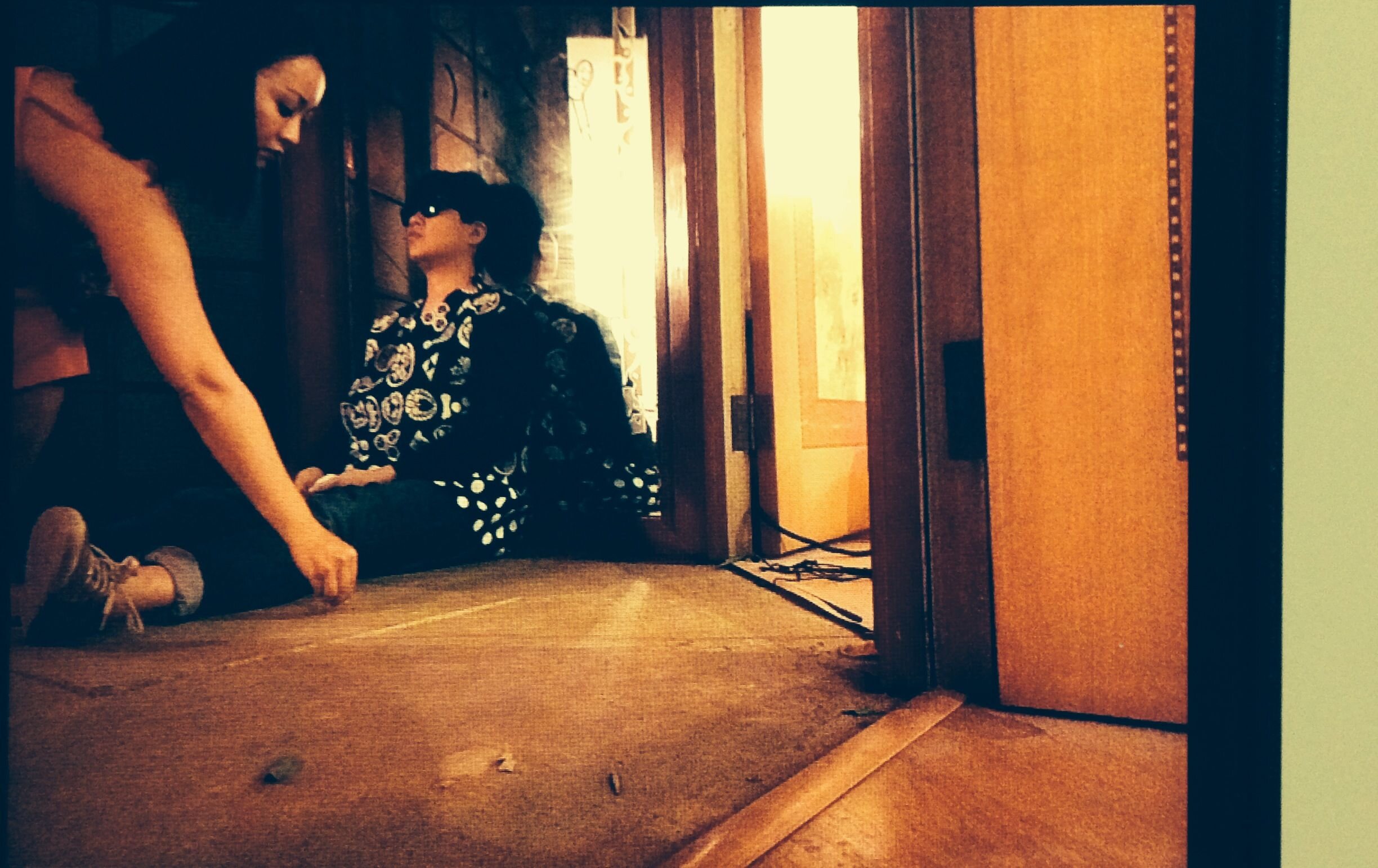
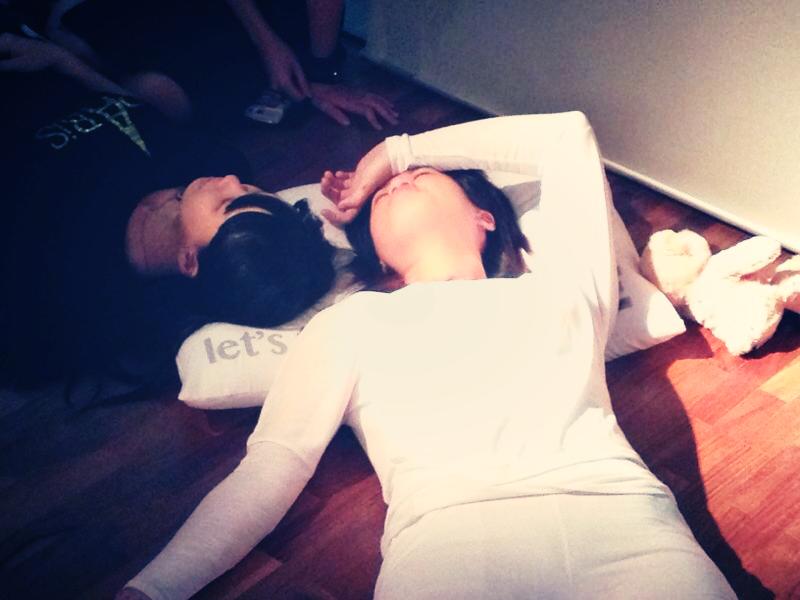
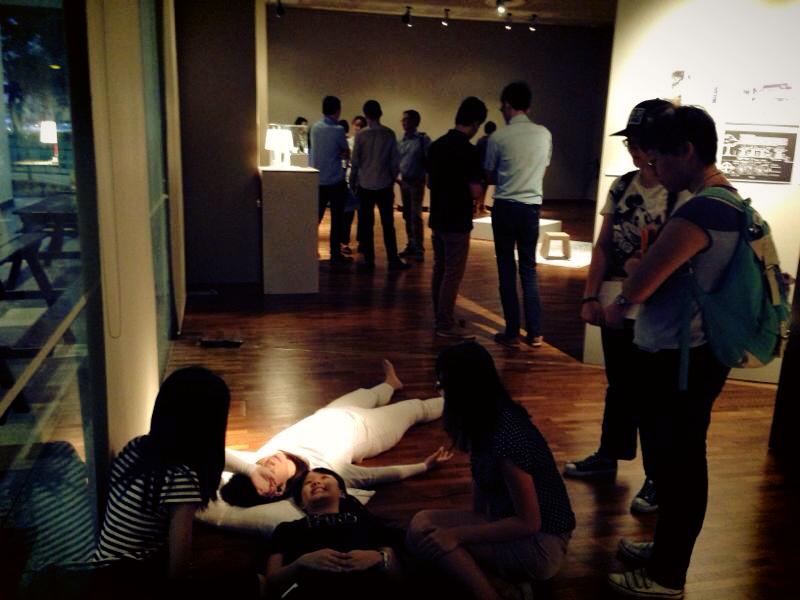
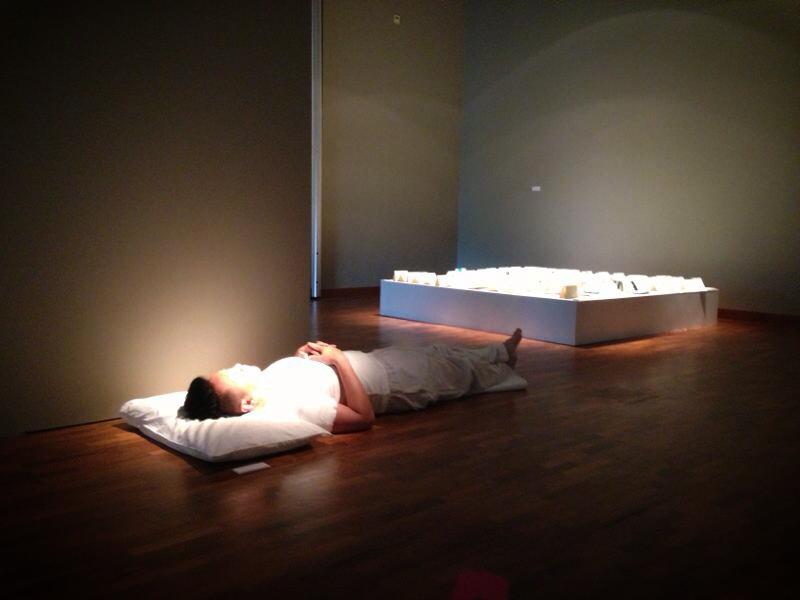
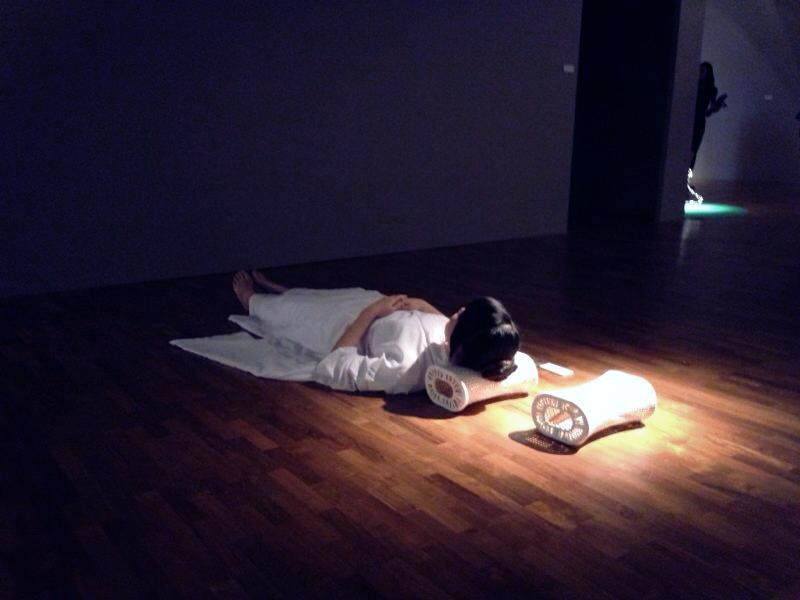
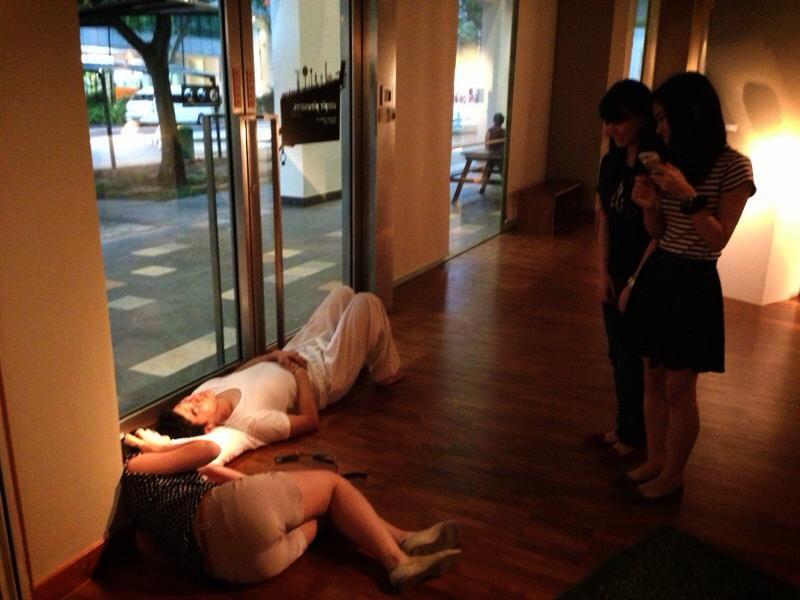
This performance approaches sleep as a shared state shaped by pleasure, dreaming, and grief. Performers share bedtime stories with visitors — drawing on narratives of love, a geisha’s life, local Shakespearean tales, and music as language — inviting intimate listening within the gallery space. Through these exchanges, the work unfolds as a quiet, hypnotic encounter grounded in personal narrative and belief.
Take Me Home (2010)
Undisclosed Territory #4, Padepokan Lemah Putih, Solo, Indonesia
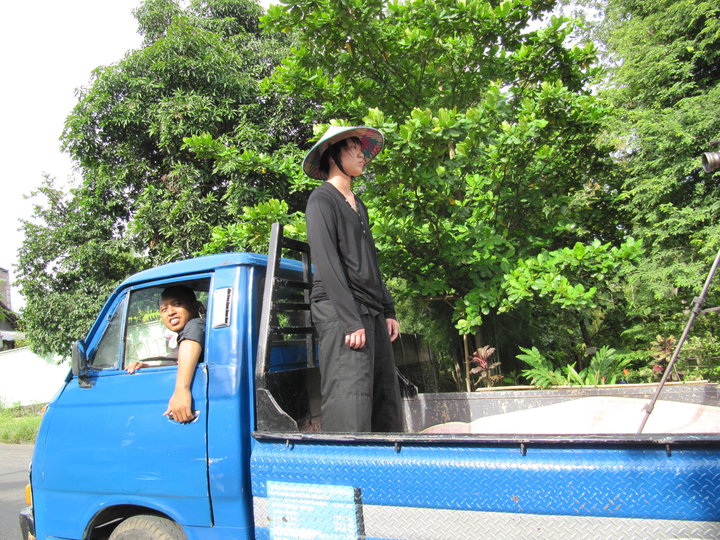
In this durational street performance, the artist’s physical presence moves through village contexts atop a lorry, extending the work into everyday routes and rhythms. Passersby encounter the performance in transit, invited to pause, wander, and remain with the work as it unfolds within ordinary movement. The piece reflects on access, circulation, and the meeting of art with daily life.
I M Migrating (2010)
Foi6 (Future of Imagination 6), Sculpture Square, Singapore
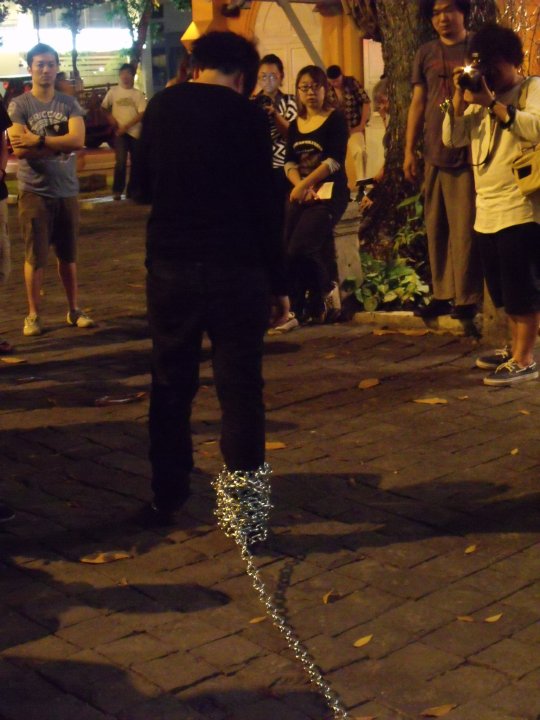
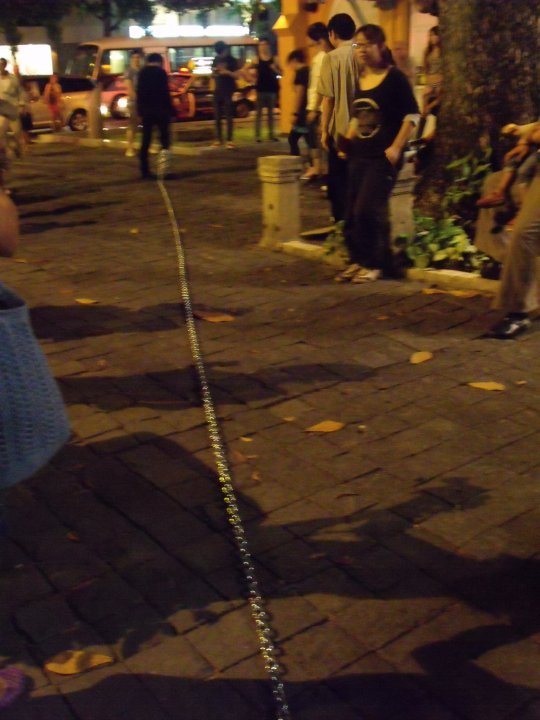
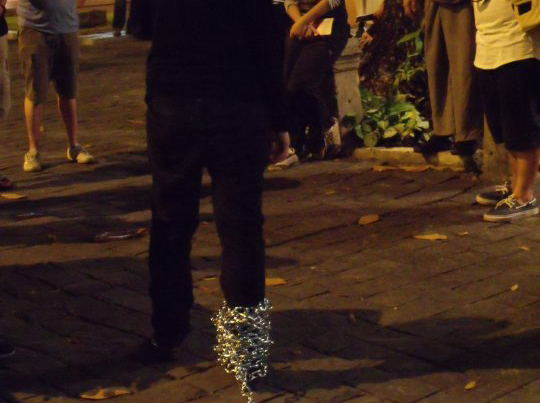
Staged within an old church, this site-specific performance reflects on contemporary notions of “home.” A heavy metal chain is tied around the artist’s leg, coiling as she moves through the space—an embodied labour that unsettles attachment and traces the difficulty of uprooting place. The work holds the church as a shared site for considering belonging, displacement, and the weight of inherited ground.
Area and Perimeter (2008)
Singapore Art Museum (Courtyard), Singapore
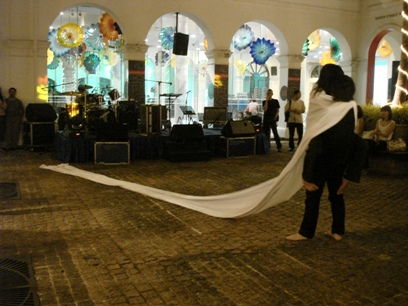
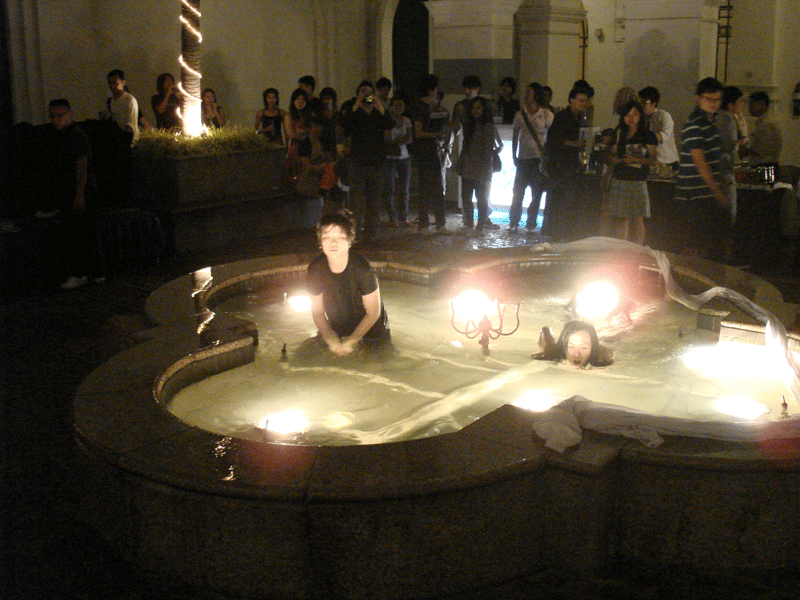
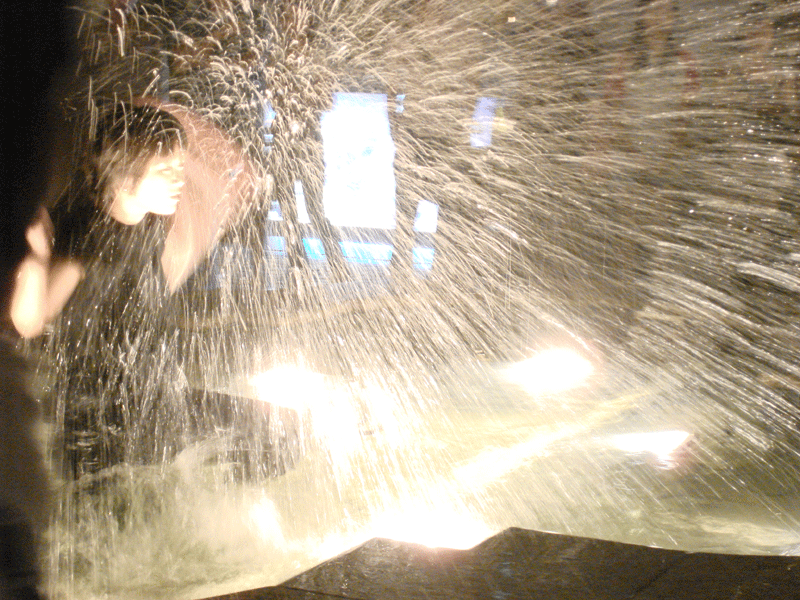
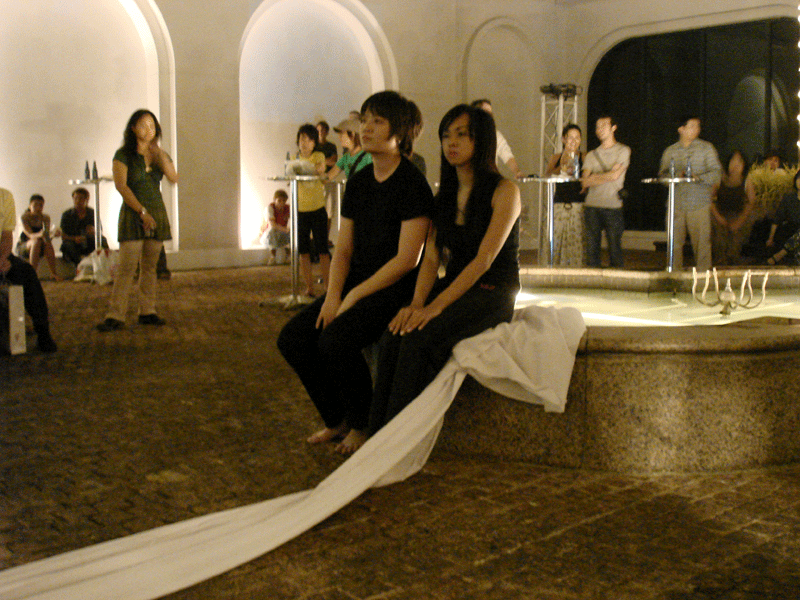
This performance attends to the body in relation to other bodies and surrounding environments, tracing how personal boundaries are sensed, negotiated, and at times left undefined. Through close proximity and shifting relations, the work unfolds as an inquiry into how boundaries emerge through encounter rather than declaration.
The Questioning Room (2008)
IPA, Hildesheim, Germany
This site-specific performance-installation took place in a church in Hildesheim, Germany. One hundred and one questions prepared by the artist were carried to the altar. In the presence of the priest’s chair, the work reflected on spiritual belief and value as they sit within social and political systems. Viewers stood on the upper level of the church, witnessing the unfolding trial in near-darkness.
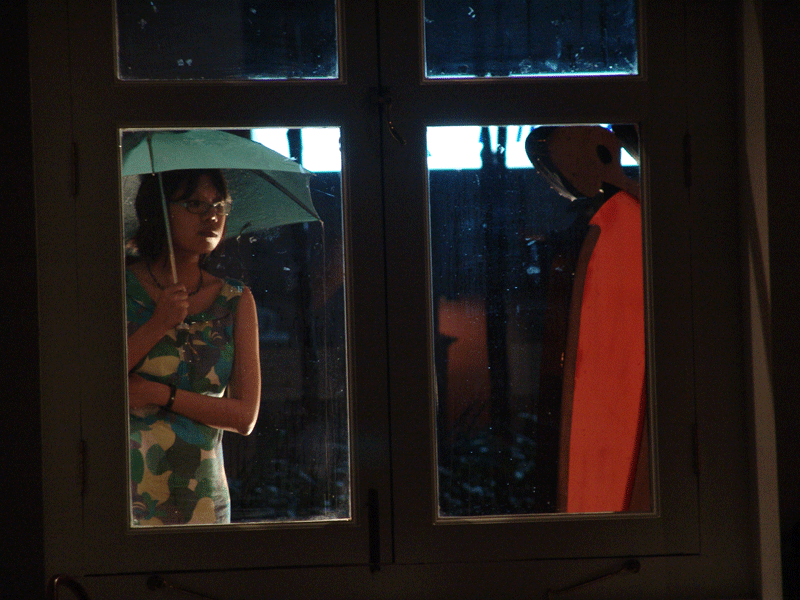
The Questioning Room #2 (2008)
Sculpture Square, Singapore
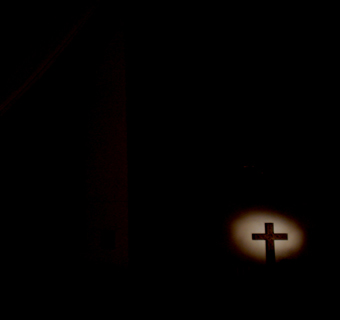
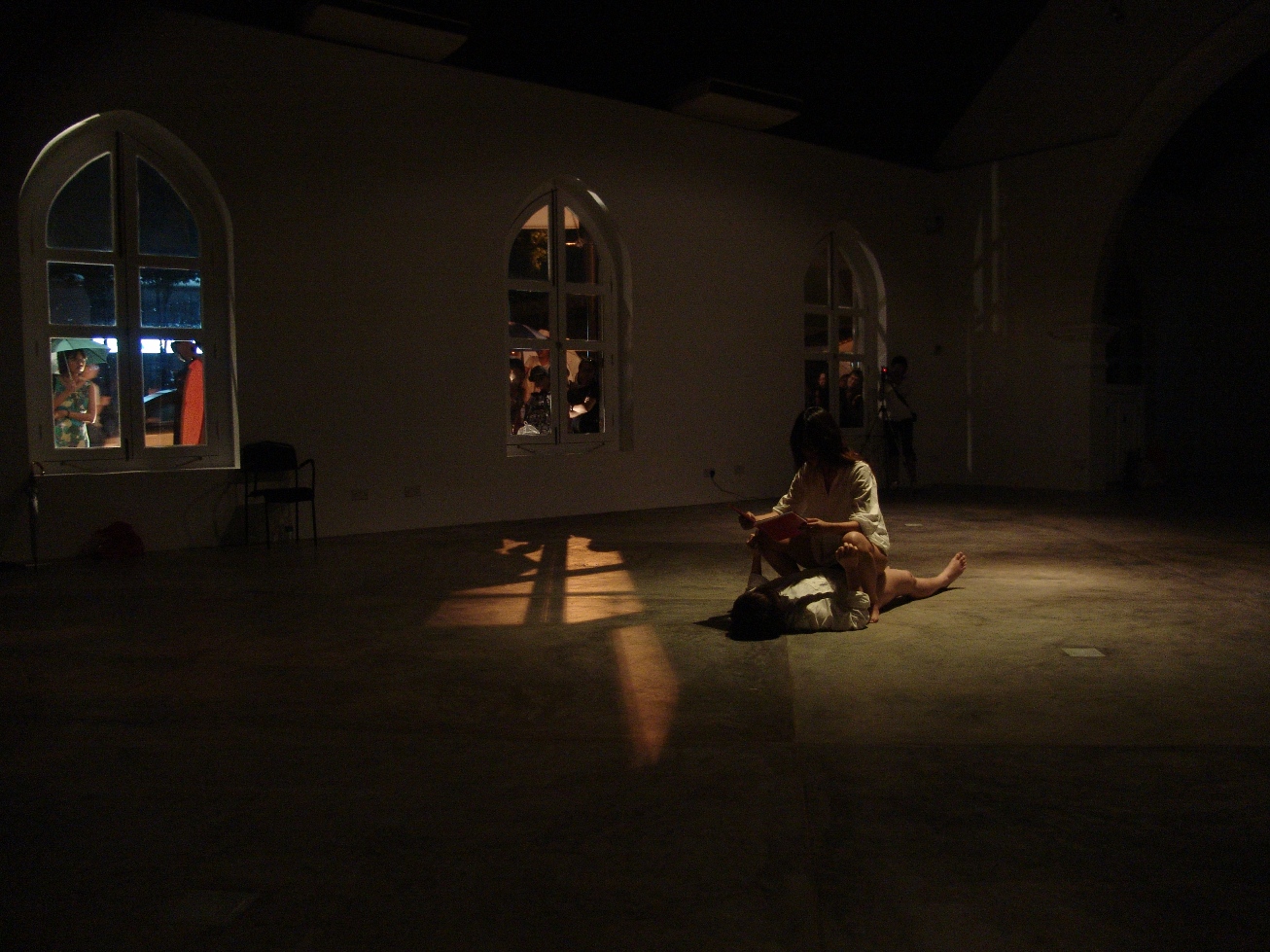
Staged within a historical chapel, two bodies rock back and forth, attending to subtle shifts of power. Confessions and intimacies are read aloud, while viewers remain outside — peering in and imagining the scene as witnesses. The work reflects on gendered values as they are shaped within social and domestic systems.
The Questioning Room #3 (2008)
Asiatopia, Bangkok Arts Centre, Bangkok
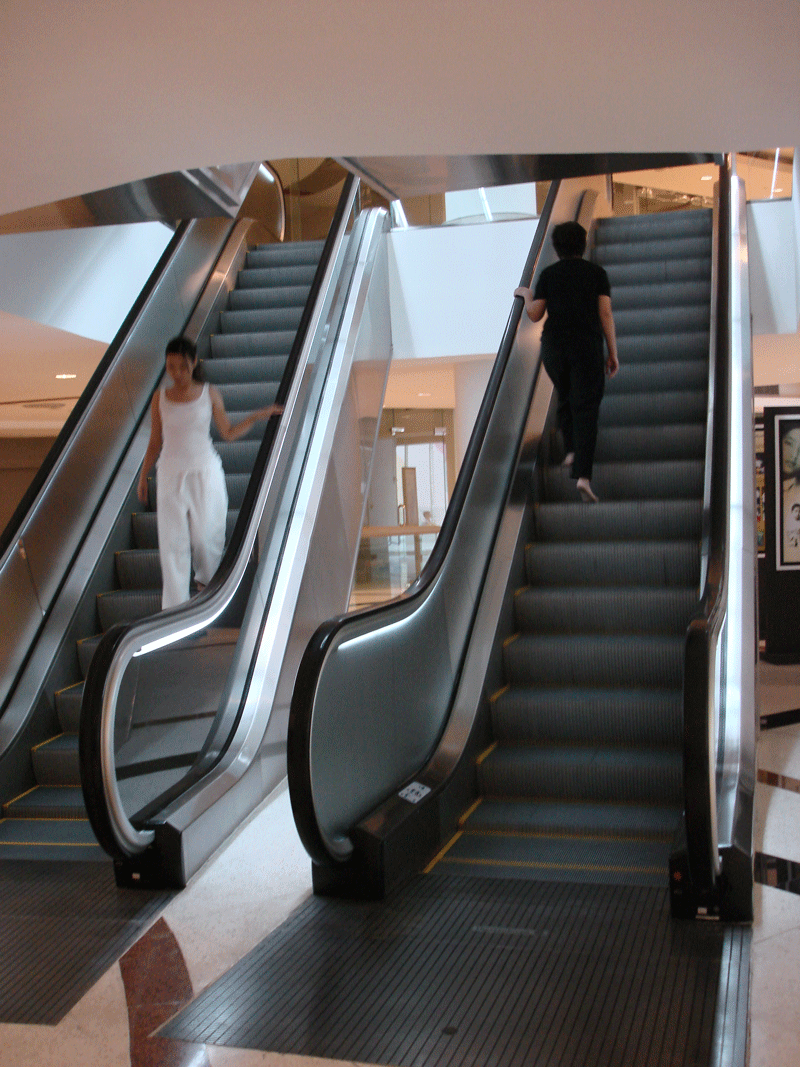
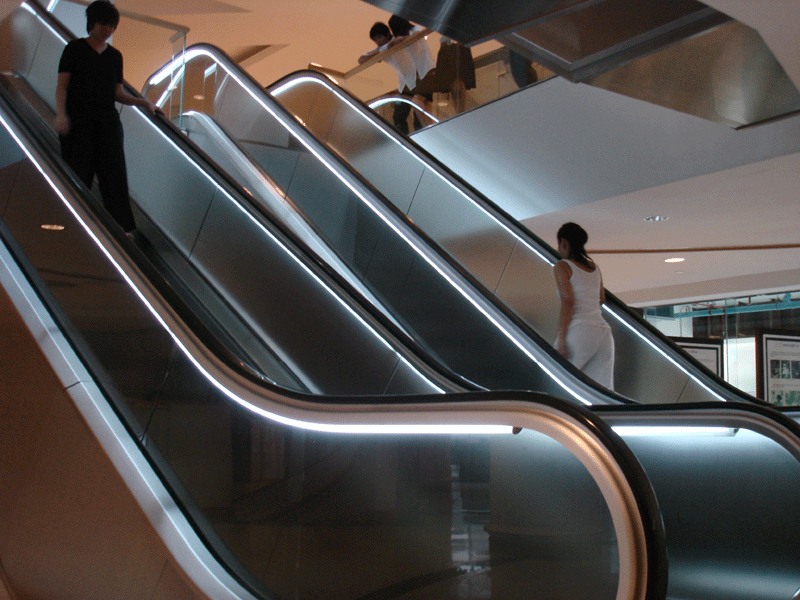
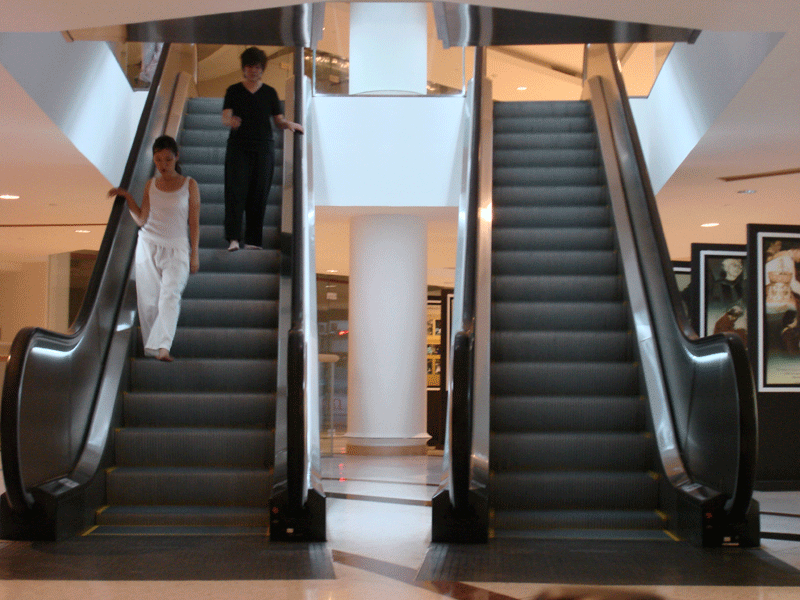
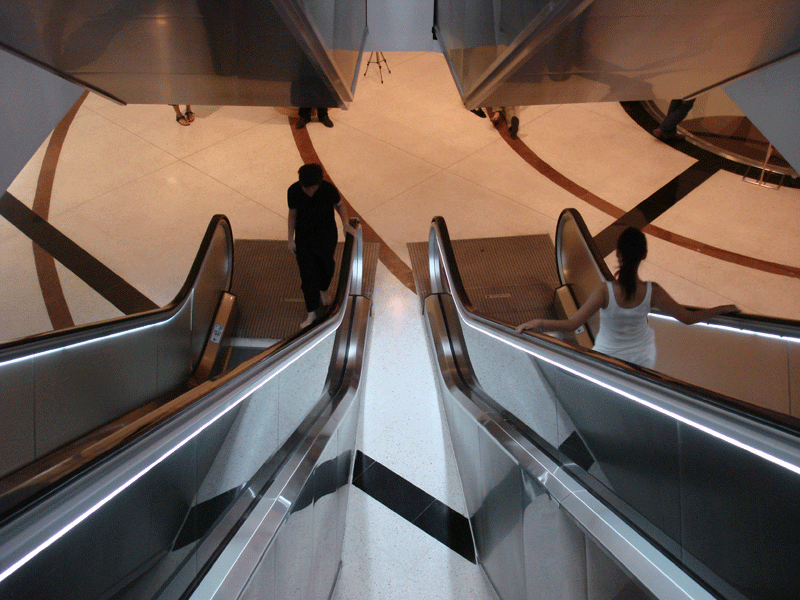
In this site-specific durational collaboration, one participant repeatedly asks, “Do you love me?” while the other responds through gestures that attend to how love is enacted. Moving along an escalator—one against the flow, the other with it—the pair search for a neutral ground for dialogue. The work traces shifting power relations across forms of intimacy, including nation-citizen, master–disciple, (grand)parent–child and lovers, concluding when the exchange becomes unsustainable.
Home: a broad question (2008)
Performer Stammtisch, Berlin, Germany
Revisited through an open-letter documentation project in 2026.
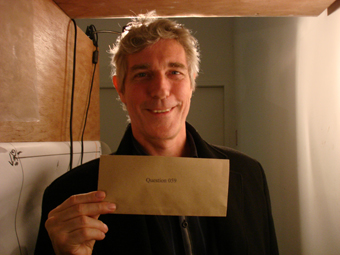
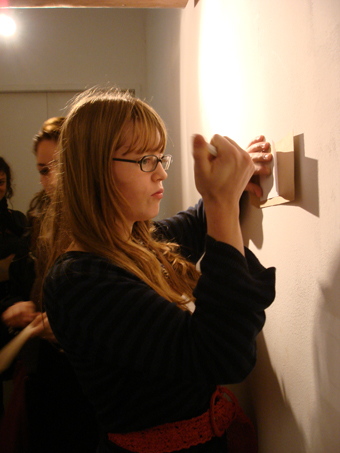
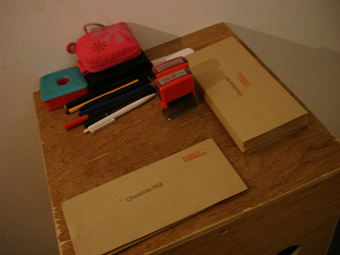
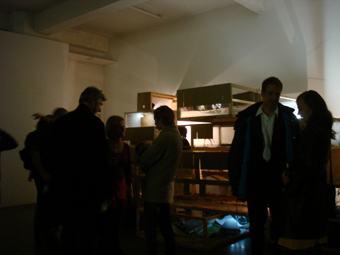
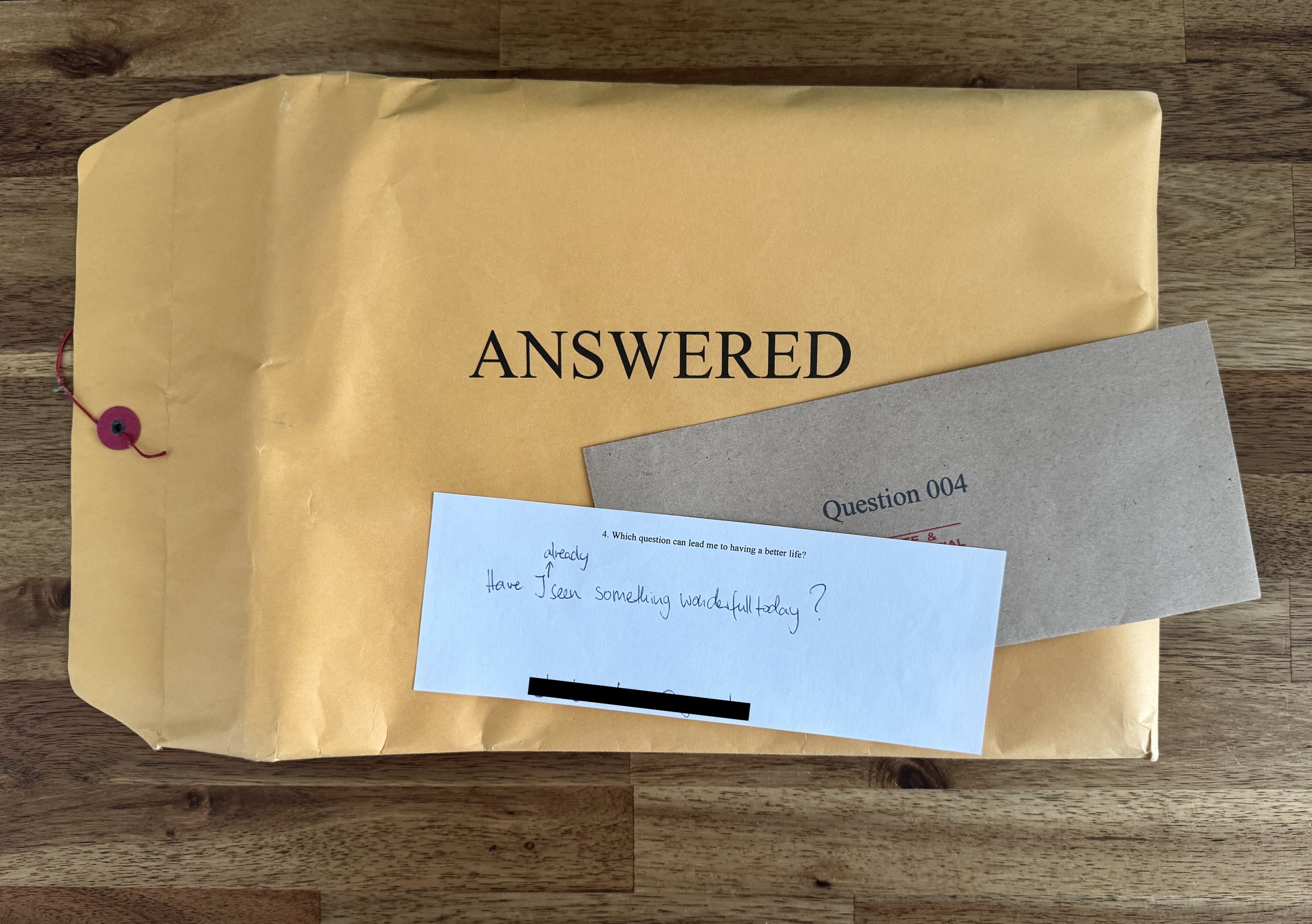
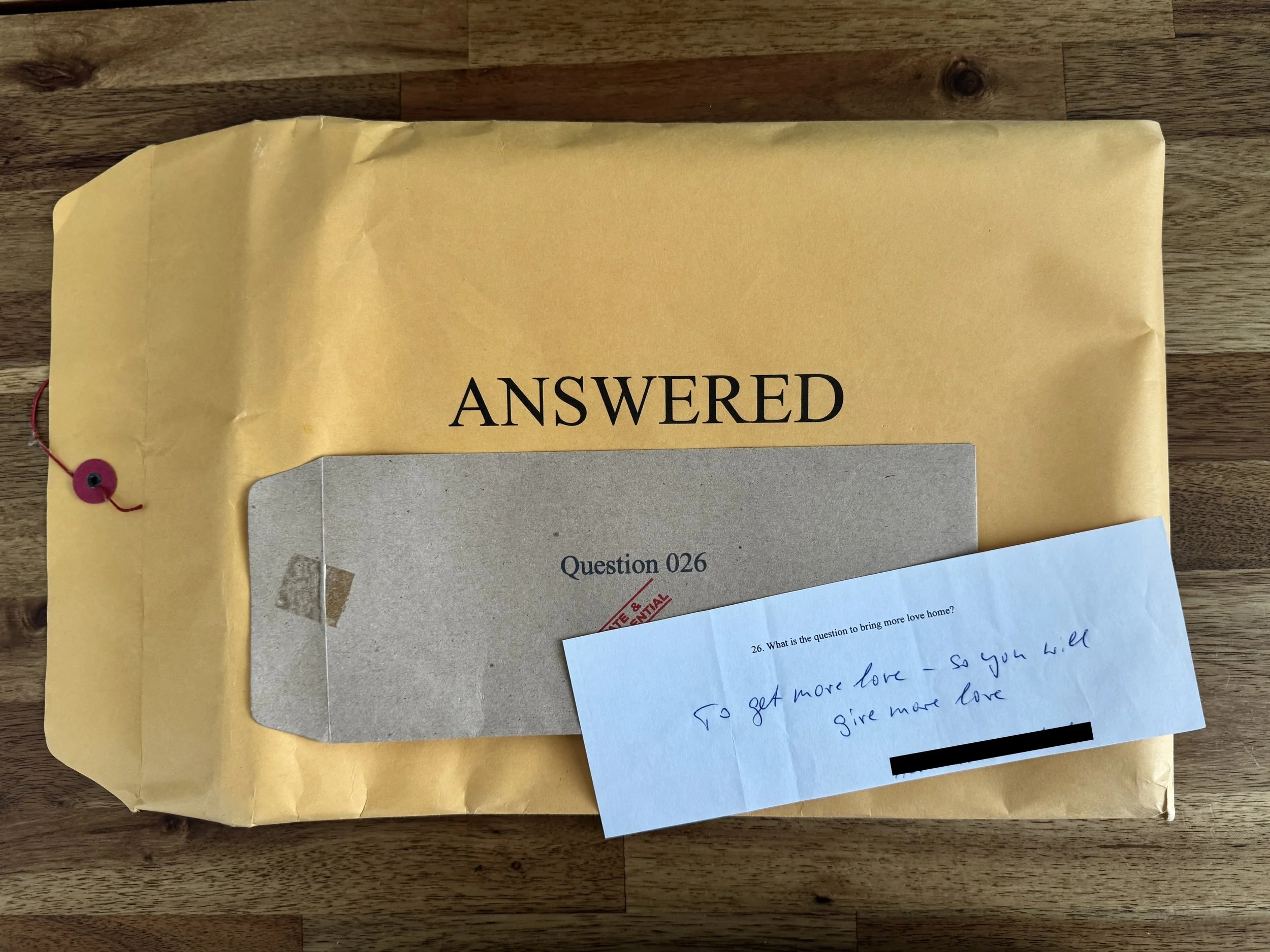
101 questions were carried to Berlin, where audiences were invited to respond in private. Forty-four letters were returned, sealed and entrusted to the artist. Eighteen years later, these responses re-emerged as an open-letter documentation project, tracing how intimacy, memory, and reflection travel across distance and time through acts of correspondence and return.

People are always afraid of the unknown, not realizing that progress and creativity in society can only come from breaking boundaries (2006)
“Fetter Field”, Esplanade (Forecourt), Singapore
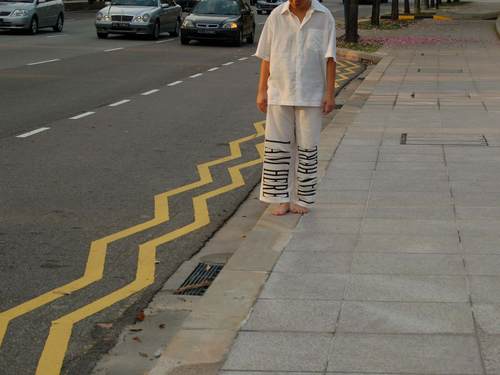
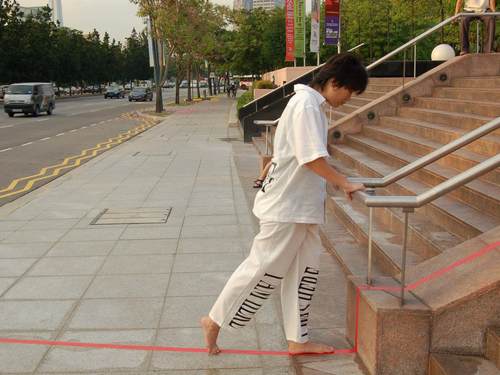
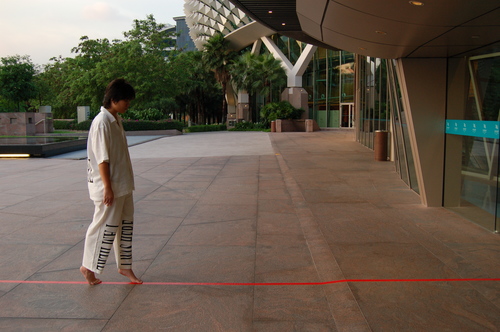
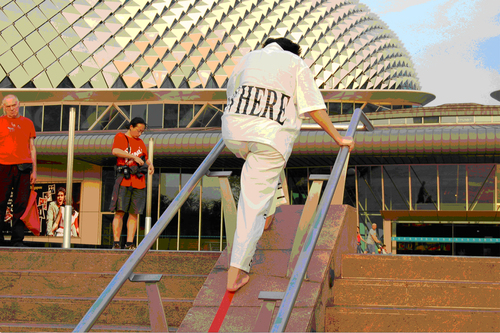
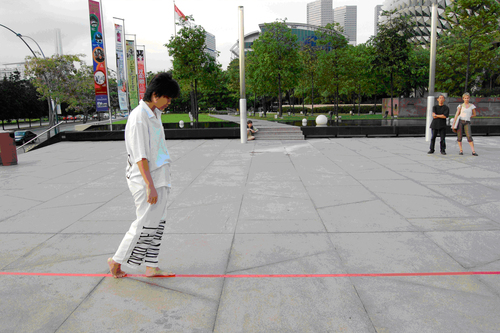
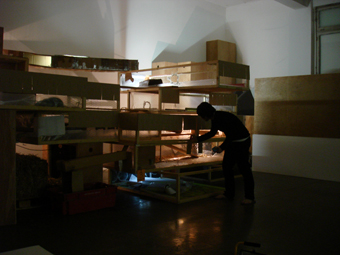
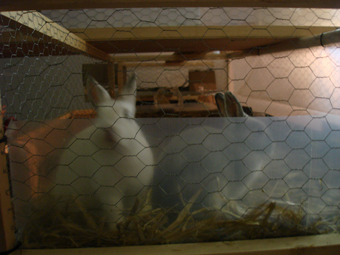
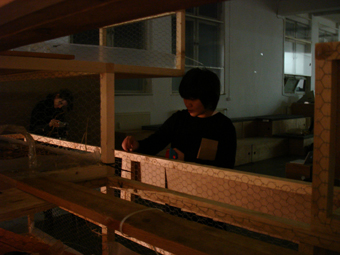
This debut performance within a major arts institution reflects on the intersections of art and identity. An extended “red carpet” is laid from the steps to the Esplanade entrance, using red as a marker of social significance and inherited values. The repeated gesture of three steps forward and two steps back traces a critical re-reading of cultural progress, shaped by intermittent, binary decisions that influence a nation’s social development. The work also gestures toward the artist’s desire for greater attentiveness within the arts and a commitment to chosen values. This site-specific walk concludes at the entrance, marked by the sliding doors.